


Specialties
Avian and ExoticsCardiology
Clinical Pathology
Dentistry and Oral Surgery
Dermatology
Emergency & Critical Care
Integrative Medicine
Internal Medicine
Medical Oncology
Neurology
Ophthalmology
Orthopedics
Radiation Oncology
Radioiodine (I-131)
Radiology
Rehabilitation & Pain Management
Surgery
Theriogenology
 Neurology
This service available in Robbinsville
New clients: Register your pet with NorthStar VETS online and
Complete the Neurology form questionnaire
Dogs and cats can suffer from many of the same neurological disorders - brain, spinal cord and neuromuscular problems - that humans do. These conditions can be very debilitating to our companion animals, affecting their ability to perform everyday activities such as walking, standing and even eating. This presents challenges for pets and owners alike.
Diagnosing and treating a neurological disorder can be complex, which is why general practice veterinarians often turn to NorthStar VETS' Neurology Department. We offer expert care to help each animal recover as fully as possible, and compassionate support and advice for each pet parent.
In addition, our team works closely with NorthStar VETS' rehabilitation and pain management team, giving pets every advantage for optimizing their quality of life - and that of their owner.
The Services We Provide
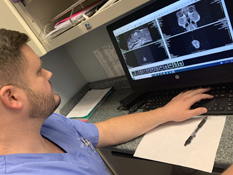
Our advanced, on-site diagnostic tools enable us to tailor therapy to each pet's unique medical needs. These include:
- Cerebrospinal fluid (CSF) sampling and analysis
- Computed tomography (CT)
- Electrodiagnostics including electroencephalography (EEG), electromyography (EMG), and nerve conduction studies
- Magnetic resonance imaging (MRI)
- Muscle and nerve biopsy
- BAER testing to evaluate hearing
- Complete neurologic exam to evaluate cranial and peripheral nerves
We can provide a range of therapeutic options, including:
- Anti-seizure and other medications
- Brain surgery
- Consultations with referring veterinarians regarding animals with difficult-to-control seizure disorders
- Neuropathic/chronic pain therapy
- Rehabilitation, including physical therapy
- Spinal surgery for disc disease or fusions for instability or trauma
- Disc replacement surgery
- Cervical Disc Arthroplasty (CDA)
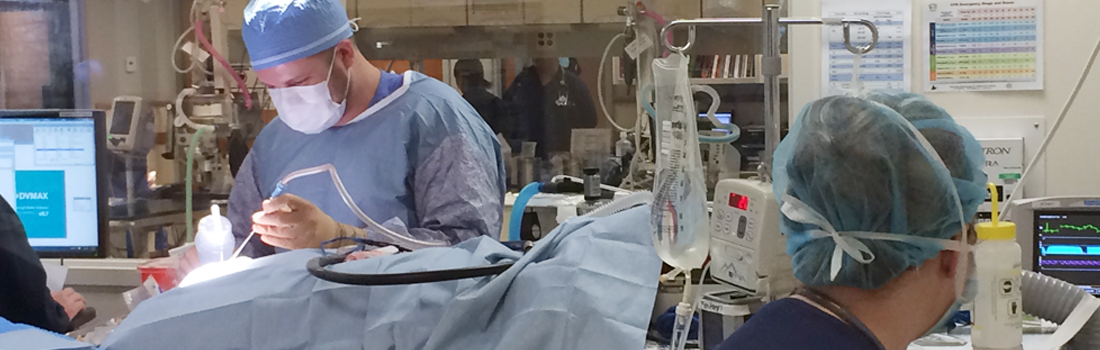
Critically ill pets or those recovering from extensive surgery or diagnostics are carefully monitored by both the neurology team and critical care specialist in our state-of-the-art intensive care unit.
The Conditions We See
Common disorders that affect the nervous systems of cats and dogs include:
- Brain tumors
- Cervical instability (Wobbler syndrome)
- Degenerative myelopathy
- Diabetic neuropathy (nerve damage related to diabetes)
- Epilepsy
- Granulomatous meningoencephalomyelitis (GME, an inflammatory disease of the central nervous system)
- Hepatic encephalopathy (worsening of brain function when the liver is unable to remove toxins from the blood)
- Hyperthyroid-and-diabetes-associated neurological disorders
- Intervertebral disc disease (IVDD)
- Myasthenia gravis
- Polyneuropathy (a disorder that affects multiple peripheral nerves)
- Spinal tumors
- Stroke
- Vestibular dysfunction (balance problems)
For more information about NorthStar VETS' Neurology Department,
simply call us at 609.259.8300. And, to learn about how our neurology team helped restore the health of a cat with a brain tumor, read this case study:
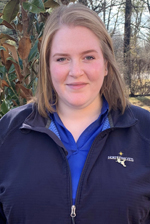
Lillian Helm - Client Liaison
Pet Parents: Contact Lillian at 609-259-8300 x1203, or neurology@northstarvets.com to schedule your appointment and get all pre-consultation paperwork set up.
Veterinarians: Contact Lillian with questions about in-hospital cases, or to discuss a pending case. You can also refer a case online.